How to Choose the Right Exterior Paint for Your Home in Denver
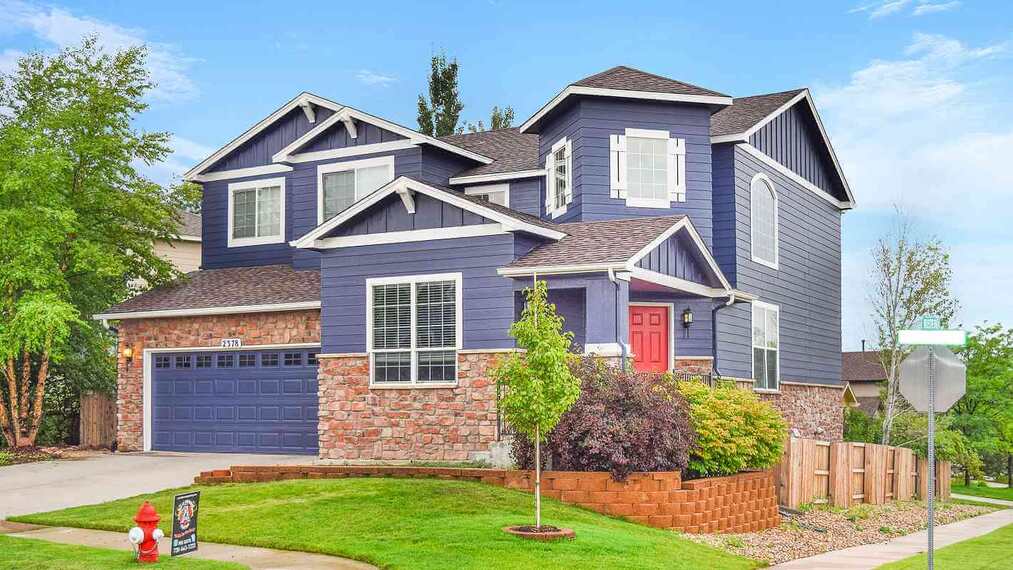
In a city like Denver—where the weather can shift dramatically from sunny and dry to snowy and freezing within days—your home’s exterior paint needs to do more than just look good. It has to perform.
The Mile High City’s combination of high-altitude UV exposure, low humidity, and intense seasonal changes can take a serious toll on painted surfaces. Choosing the wrong product or skipping key steps in the process could leave you repainting far sooner than expected.
So, how do you make the right decision? This guide breaks down how to choose exterior paint for your home in Denver—from product types to finish, color, and surface prep—so you can get long-lasting, professional results that hold up to Colorado’s unique climate.
Understand the Demands of Denver’s Climate
Before picking a paint color or brand, it’s important to understand what your home is up against. Denver’s climate poses several challenges that make paint durability and formulation even more critical than in milder regions.
Thanks to its elevation, Denver receives about 25% more ultraviolet (UV) radiation than sea-level cities. That means paint is more likely to fade, blister, or break down prematurely, especially darker colors and lower-grade products. Add in dry air, wind, snow, and frequent freeze-thaw cycles, and the exterior of your home becomes a high-wear surface year-round.
To perform well in Denver, your exterior paint should be:
- UV-resistant, to prevent fading and degradation from sun exposure
- Moisture-resistant, to block out snowmelt and springtime rain
- Flexible, so it can expand and contract with surface materials during temperature swings
- Breathable, particularly on wood or stucco, to allow trapped moisture to escape without bubbling
Many high-quality acrylic latex paints are designed for this kind of environment, but not all are created equal. That’s why it’s worth investing in a premium paint product that’s built for performance, not just appearance.
Select the Right Type of Paint and Finish
Not all paint performs the same on an exterior wall, especially in a climate like Denver’s. The type of paint you choose affects how well it adheres, resists weather damage, and maintains its appearance over time.
Types of Paint to Consider
For most Denver homes, 100% acrylic latex paint is the top choice. It’s durable, flexible, and well-suited to a range of materials like wood, stucco, and fiber cement. Other options include:
- Elastomeric coatings: These thick, rubberized paints are ideal for stucco or masonry surfaces prone to cracking. They expand and contract with the wall, providing superior protection, but must be applied correctly to avoid trapping moisture.
- Oil-based paints: Rarely used for full exteriors today, these may still be appropriate for certain metal or previously oil-coated surfaces. However, they tend to be less flexible and more difficult to clean up than modern latex options.
Choosing the Right Finish
Paint finish doesn’t just affect how the surface looks—it plays a role in durability, cleanability, and how well the surface resists dirt and moisture:
- Flat or matte: Hides imperfections well but may absorb moisture and fade faster under direct sun.
- Satin or low-luster: A great all-around option for siding—offers subtle sheen and improved weather resistance.
- Semi-gloss or gloss: Ideal for trim, shutters, and doors—easier to clean and highly durable, but will highlight surface flaws if prep is poor.
For Denver homes, satin or low-sheen finishes strike the best balance between longevity and appearance, especially on sun-exposed walls.
Choose Colors That Work with Your Home and Environment
Exterior color choice is about more than personal taste—it also affects how well your paint holds up in Denver’s climate. Between the sun’s intensity and the region’s architectural diversity, color selection deserves careful thought.
Sunlight and Fading
Dark colors tend to absorb more heat and fade faster under high UV exposure. On south- and west-facing walls, that can mean uneven wear and more noticeable aging. If you’re drawn to bold hues, just know they may require more frequent repainting.
Lighter colors, on the other hand, reflect sunlight and retain their appearance longer, making them a smart choice for homes in full sun.
Neighborhood Aesthetic and Style
Your exterior paint should complement the architectural style of your home and the overall neighborhood. In Denver, that might mean:
- Earth tones for craftsman-style or mid-century homes
- Neutrals with sharp trim contrasts for modern builds
- Historic colors for bungalows or Victorian-era houses in older neighborhoods
If you’re planning to sell your home in the near future, consider timeless, broad-appeal colors that boost curb appeal.
HOA and Local Guidelines
For homes in HOA communities or historic districts, you may need to get color approval or follow specific palette restrictions. Be sure to check before purchasing paint.
If you’re unsure where to start, many professional painters offer color consultations or can recommend schemes based on your home’s location, lighting, and materials.
Absolutely—here’s the revised section with a proper explanatory sentence following the header:
Evaluate Surface Material and Condition
Before you choose a paint, you need to know what kind of surface you’re working with—and what shape it’s in. Different materials require different products, and the existing condition of your siding or trim will impact how well new paint performs.
Common Exterior Materials in Denver
Your home’s exterior could include a range of materials, each with its own best practices:
- Wood siding: Requires breathable, flexible paint to prevent cracking and moisture retention. Always prime bare wood before painting.
- Stucco: Needs specialized products like elastomeric paint to fill hairline cracks and withstand movement during freeze-thaw cycles.
- Brick or masonry: Typically painted with mineral-based or breathable masonry coatings; improper paint can trap moisture and cause peeling.
- Fiber cement (Hardie board): Pairs well with 100% acrylic latex paint. Requires thorough cleaning before application to ensure adhesion.
Condition and Prep Needs
If the surface has peeling paint, chalkiness, mildew, or cracks, those issues must be addressed before applying a new coat. Skipping this step will undermine even the best paint products.
A professional painter can assess the home’s condition and determine if it needs:
- Power washing or chemical cleaning
- Caulking around joints, windows, and trim
- Scraping, sanding, or patching
- Spot-priming bare or weathered areas
Getting this part right ensures your new paint bonds well, looks great, and lasts as long as it should.
Don’t Skip Surface Prep and Priming
No matter how good your paint is, it won’t last if it’s applied over a poorly prepared surface. In Denver’s climate—where UV rays, wind, and snow all take a toll—proper prep is the foundation of a long-lasting exterior finish.
Prep work is what allows paint to bond correctly and stay in place through changing weather. It’s also what prevents common issues like peeling, bubbling, and premature fading.
Here are a few steps that should never be skipped:
- Cleaning: Surfaces should be power-washed or scrubbed to remove dirt, chalk, mildew, and debris.
- Scraping and sanding: Any peeling or flaking paint must be completely removed before repainting.
- Repairs and caulking: Gaps, cracks, and damaged trim need to be fixed and sealed to prevent moisture intrusion.
- Priming: Any bare wood, patched areas, or discolored surfaces should be primed to ensure uniform coverage and paint adhesion.
Denver’s dry air and daily temperature swings make surface prep even more critical than in other parts of the country. A well-prepped home holds paint better, resists the elements longer, and requires fewer touch-ups over time.
Even the best paint will fail if it’s rushed onto a surface that hasn’t been properly cleaned and prepped. That’s why working with an experienced painting crew is often worth the investment.
Make Your Paint Job Count in Denver’s Climate
Choosing the right exterior paint in Denver isn’t just a design decision—it’s a matter of durability, protection, and value. With the city’s high-altitude UV exposure, dry air, and fluctuating weather, your paint needs to do a lot more than just look good.
To recap, here’s what matters most when deciding how to choose exterior paint for your home:
- Select a high-performance paint that resists UV rays, moisture, and expansion-contraction stress
- Pick the right finish and product type based on your siding material and trim
- Choose colors that complement your home, and hold up in direct sunlight
- Match your paint to the surface material and condition, whether it’s stucco, wood, or masonry
- Never skip prep work and priming, no matter how tempting it is to save time
With expert guidance and the right products, your home’s exterior can stay beautiful and protected for years, despite whatever Denver weather throws at it.
Thinking about repainting? Get in touch for a free estimate or learn more about our exterior painting services tailored specifically to Colorado homeowners.